Pest guides · 5 min read
How to Get Rid of Silverfish (and Stop Them Coming Back)
Silverfish usually mean damp. How to dry the room, seal hiding places and use sticky traps to find and catch them: step-by-step guide with FAQ.
Updated 12 November 2026
Short answer: silverfish are a sign of damp, so the lasting fix is drying the room out: ventilate bathrooms and kitchens, repair leaks, run a dehumidifier where condensation builds up and seal the cracks they hide in. Put sticky monitoring traps along skirting boards and behind the bath to find where they gather; in small infestations, monitoring traps alone may be enough while the damp is fixed.
What are silverfish and are they harmful?
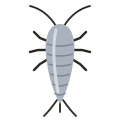
Silverfish are small, wingless, carrot-shaped insects, around 12 mm long, that come out at night and feed on starchy residues such as wallpaper paste, glue and food crumbs. According to the British Pest Control Association (BPCA, 2023), they do not bite or spread disease to people, but they can damage wallpaper, paper, textiles and packets of dried food in damp kitchens.
In the UK you may meet two species: the common silverfish (Lepisma saccharina), which likes humid rooms, and the grey silverfish (Ctenolepisma longicaudata), which BPCA (2019) notes can live in drier air and turn up anywhere indoors, not only in bathrooms and kitchens.
Why do I have silverfish in my bathroom?
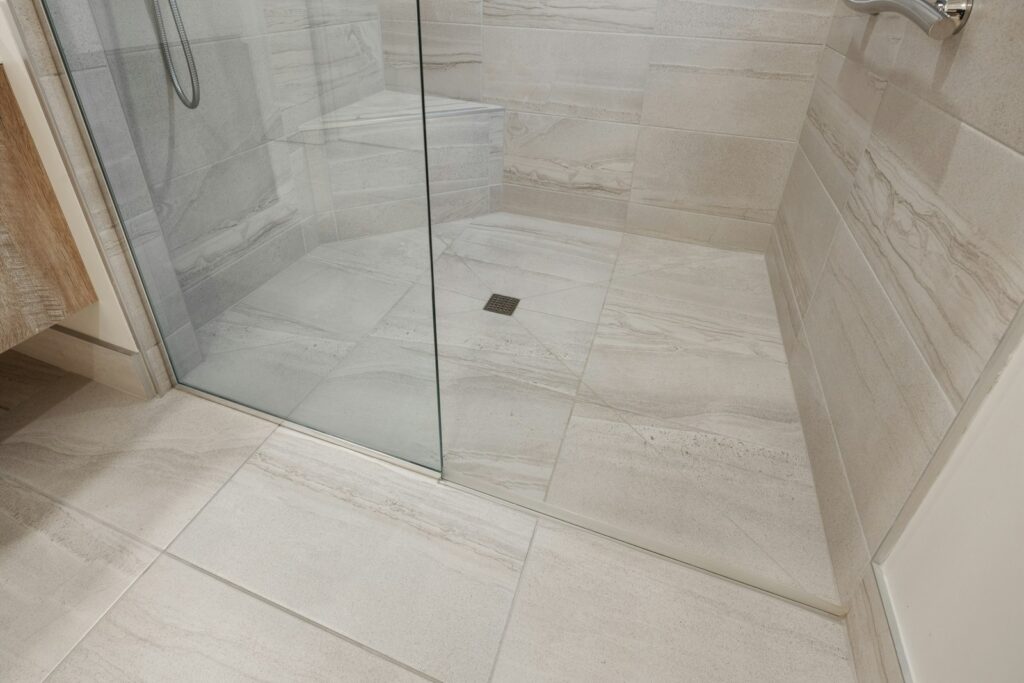
Because bathrooms are damp, warm and full of hiding places. The BPCA (2023) says silverfish thrive in damp conditions and can become more active in winter, when cold weather causes condensation indoors; a lasting infestation can point to persistent damp that needs attention. By day they hide under loose flooring, behind bath panels, skirting boards and wallpaper, and they are often first spotted trapped in a bath or sink, because they cannot climb smooth surfaces well.
How do I get rid of silverfish for good?
Combine damp control with monitoring, and repeat until traps stay empty. Work through these steps:
- Find the hotspots. Place sticky traps behind the bath and toilet, under the sink, along skirting boards and in lofts or storage areas. Check them after a few nights to see where silverfish are most active.
- Dry the room. Use the extractor fan during and after showers, open windows, wipe condensation, fix dripping taps and leaking seals, and use a dehumidifier in rooms that stay humid.
- Remove food and hiding places. Vacuum crumbs and dust along edges, store dried food in airtight containers, clear piles of old paper and cardboard, and fill gaps around skirting boards, pipes and bath panels with sealant.
- Keep monitoring. Replace full traps and keep one or two in place as an early-warning system. If catches keep rising after the damp is fixed, there is a larger hidden population.
- Call a professional for heavy infestations. BPCA (2023) recommends professional help when an infestation is serious; any insecticide must be legal, labelled for silverfish and used exactly as the label says.
Which silverfish treatments actually work?
No single method fixes silverfish on its own; damp control plus monitoring covers most homes. Here is how the options compare:
| Method | What it does | Limits |
|---|---|---|
| Reducing humidity (ventilation, dehumidifier, leak repair) | Removes the conditions common silverfish need; also helps against mould | Slower; less effective against grey silverfish, which tolerate drier air (BPCA, 2019) |
| Sticky monitoring traps | Show where silverfish gather and whether numbers are falling; catch active insects | Do not reach eggs hidden in cracks; work best alongside damp control |
| Sealing cracks and decluttering | Removes hiding and egg-laying places | Hard to reach every gap behind panels and skirting |
| Insecticide labelled for silverfish | Treats heavy infestations in hiding places | Must be used strictly as the label says; a professional is the safer option for severe cases (BPCA, 2023) |
Do silverfish traps work?
Yes, as a monitoring and control tool. The BPCA (2023) advises starting with an insect monitor to check the extent of the infestation and notes that in small infestations monitors may be enough to control silverfish while the damp is resolved. Traps also tell you when you are finished: several weeks with an empty trap is a good sign.
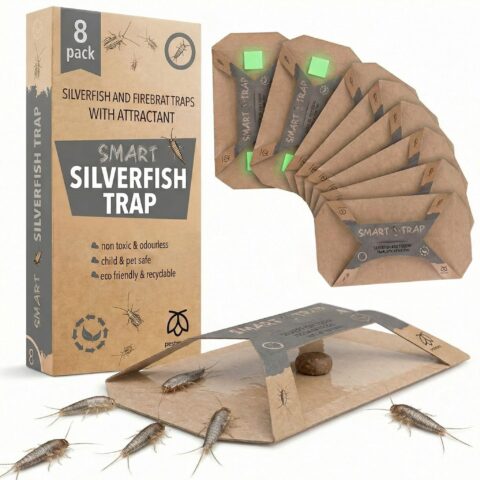
Our Pestmatic Silverfish Smart Traps (pack of 8) are sticky traps with a food-bait tablet and glow plates that attract night-active silverfish and firebrats. They are made from odourless kraft paper, contain no insecticide and are slim enough to slide behind the bath or under skirting.
What silverfish traps can and can’t do
Traps catch active silverfish and show you where they live and whether the numbers are going down. They do not kill eggs laid in cracks and crevices, and they do not remove the damp that attracts silverfish in the first place. If a trap keeps filling up week after week, look for a source of moisture you have not fixed yet, or ask a pest professional to inspect the property.
Silverfish FAQ
Are silverfish dangerous?
No. The BPCA (2023) says silverfish do not bite or spread diseases to people. They are a nuisance pest that can damage wallpaper, paper, textiles and dried food.
Why do I see more silverfish in winter?
Cold weather causes condensation inside many homes, and silverfish thrive in damp conditions, so they can become more active in winter (BPCA, 2023).
Does seeing silverfish mean I have damp?
Often, yes. A persistent silverfish problem can be a sign of damp that needs attention, especially in bathrooms and kitchens. Grey silverfish are the exception, as they also live in drier rooms.
Where should I put silverfish traps?
Where silverfish hide and travel: behind the bath and toilet, under sinks, along skirting boards, near pipes and in lofts or storage areas. Check them after a few nights to find the hotspots.
How long does it take to get rid of silverfish?
It depends on how quickly the damp is fixed. Adult silverfish can live for more than three years (BPCA, 2023), so expect to keep monitoring for several weeks after the room has dried out.
Sources: BPCA, “The pest that could point to problems with damp” (2023) · BPCA, “PestWatch: Silverfish and grey silverfish” (2019)
Related guides: How to get rid of pantry moths · Why do I have cockroaches in my house?